


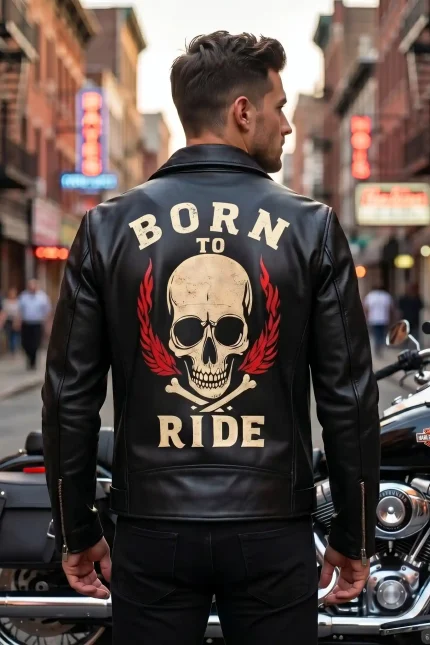


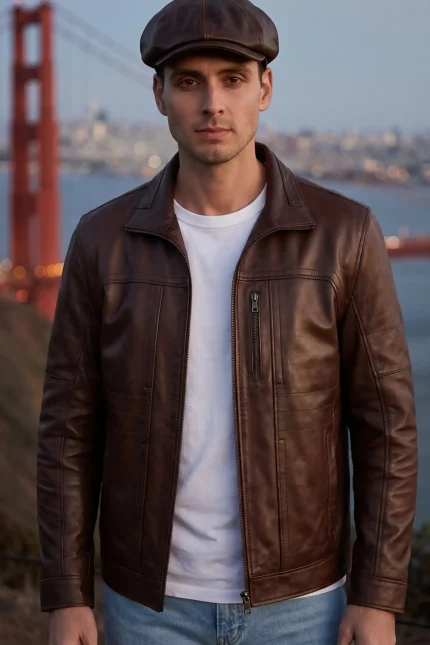


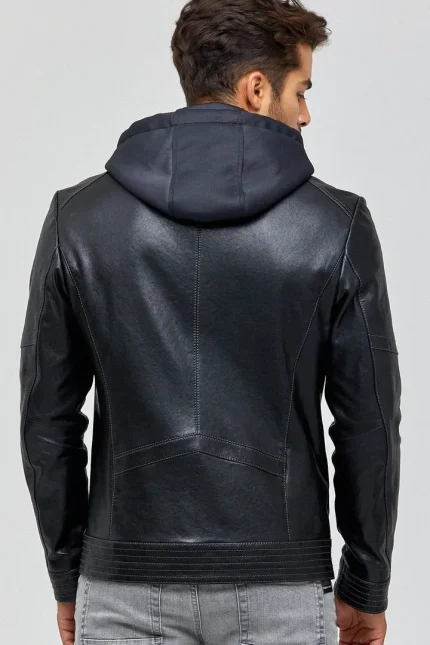
Explore Biker Leather Jacket Designs
Classic Biker Silhouettes
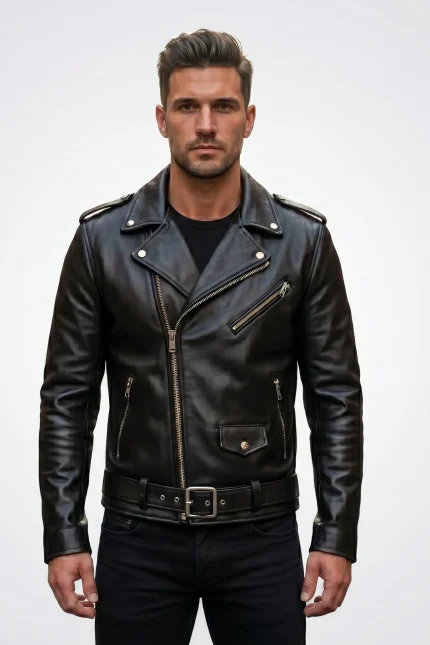
Biker-inspired jackets are often recognized by their structured shape, angled front closure, lapels and visible hardware. These details create a strong look that pairs naturally with denim and simple casual layers.
Quilted Leather Biker Jacket
Quilted panels add texture and visual structure to a jacket. Check the product images to see where quilting appears and review the description for lining and construction details.
Black Biker Leather Jacket for Men
Black is a popular choice for a sharp, versatile biker look. It pairs easily with dark denim, neutral shirts and boots, while silver-tone hardware can add contrast.
Choosing a Vintage Biker Leather Jacket for Men
Compare Finish and Details
Vintage-inspired designs may use distressed finishes, aged-looking hardware or classic panel layouts. Review the images and product details to understand the exact appearance of each jacket.
Check Fit and Comfort
Use the size chart and fit notes. Consider shoulder room, sleeve length and the ability to move comfortably in the jacket. A casual style fit is different from a close-fitting fashion silhouette.
Styling a Men’s Biker Jacket
Everyday Casual Styling
Wear a biker jacket with a plain T-shirt, straight-leg denim and simple footwear. Keep accessories minimal to let the jacket’s shape and details stand out.
Create a Balanced Outfit
If the jacket has prominent zippers, quilting or contrast panels, choose simpler pieces elsewhere. A restrained color palette helps the outfit feel cohesive.
Understanding the Design Behind This Collection
A useful way to compare pieces in this collection is to look beyond the first impression. Consider the overall outline, the placement of seams, the shape of the collar, the closure and the way the garment sits when worn. These design decisions influence whether a jacket feels understated, traditional, contemporary or more expressive. Product photographs should be reviewed from several angles, not just the main image, so you can understand the front, back and smaller construction details before deciding.
Think about where the jacket will fit into your existing wardrobe. A design with a simple front and restrained hardware can work across more outfits, while a stronger visual feature may make the piece better suited to occasions when you want your outerwear to stand out. Neither approach is automatically better; the right choice depends on how often you expect to wear it and what you normally pair with outerwear. Compare the actual product details rather than relying on a style name alone.
For this biker men collection, give particular attention to biker design language. Biker jackets are often recognized by their structure: lapels, angled zippers, defined panels and visible hardware can all contribute to the familiar look. Not every product will include every feature, so compare the actual design rather than expecting a fixed specification. The position of the zipper and the shape of the collar can change the overall impression, even when two jackets are described using similar style terms. Use the category as a starting point, then verify the exact details on each product page. That distinction matters because products grouped under one category can still differ in material, finish, proportions, lining, decorative treatment and available sizes. Comparing the individual listing details helps shoppers choose with realistic expectations and makes the category easier to browse.
Materials, Finish and Product Information
Material names and finish descriptions are important when comparing outerwear. Leather types can differ in texture, weight, flexibility and natural surface variation. The exact characteristics depend on the material and the way a particular garment has been finished. Read the product description carefully and use the stated composition as the source of truth. If a listing does not identify a material or a construction detail, it is better to ask the retailer than to assume that every item in a collection is made in the same way.
The surface finish also changes the overall impression of a jacket. Smooth finishes tend to look cleaner, while textured, aged or decorative treatments create more visible character. Look closely at close-up photographs and check whether the product description explains the finish. Small differences in grain, sheen, color and decorative elements can be easier to notice in detail images than in a thumbnail. This is particularly useful when comparing two products that share a similar silhouette but have a different visual treatment.
For this biker men collection, give particular attention to jacket construction. Comfort is important when selecting a moto-inspired silhouette. Check whether the shoulders and arms allow you to move naturally, especially if the jacket has a closer cut. Consider what you will wear underneath and use the product measurements as a guide. A jacket should feel secure without making ordinary movement difficult. Use the category as a starting point, then verify the exact details on each product page. That distinction matters because products grouped under one category can still differ in material, finish, proportions, lining, decorative treatment and available sizes. Comparing the individual listing details helps shoppers choose with realistic expectations and makes the category easier to browse.
Fit, Measurements and Comfort
A good fit should support comfortable movement and suit the way you intend to wear the jacket. Start with the size chart provided for the specific product, because sizing can vary between designs and manufacturers. Pay attention to the shoulder area, chest, sleeve length and body length. If you plan to wear a sweater or another layer underneath, consider that when reviewing the measurements. A jacket that looks appealing in a photograph may have a different proportion when worn, so the written fit notes are worth checking.
Avoid choosing a size based only on a label you usually wear in other clothing. Compare your measurements with the listed guide and contact the retailer if an important measurement is missing or unclear. Also consider the intended silhouette: some styles are designed to sit closer to the body, while others have a more relaxed shape. The aim is not simply to achieve a particular look, but to choose a garment that feels comfortable when sitting, reaching and moving through normal daily activities.
For this biker men collection, give particular attention to fit for movement. Biker jackets are often recognized by their structure: lapels, angled zippers, defined panels and visible hardware can all contribute to the familiar look. Not every product will include every feature, so compare the actual design rather than expecting a fixed specification. The position of the zipper and the shape of the collar can change the overall impression, even when two jackets are described using similar style terms. Use the category as a starting point, then verify the exact details on each product page. That distinction matters because products grouped under one category can still differ in material, finish, proportions, lining, decorative treatment and available sizes. Comparing the individual listing details helps shoppers choose with realistic expectations and makes the category easier to browse.
Choosing a Color and Building Outfits
Color is one of the easiest ways to decide how frequently a jacket may work with your wardrobe. Neutral shades often coordinate with a broad range of clothing, while brighter colors, graphic treatments or unusual finishes create a more noticeable focal point. Look at the colors you already wear most often and consider whether the jacket will complement them. If you are choosing a statement design, a simpler outfit underneath can help the outerwear remain the center of attention.
You can also use the jacket’s details to guide the rest of an outfit. Repeat a subtle color from the garment in a shirt, shoes or accessory, or keep everything else neutral for a more restrained result. Texture matters as well: denim, cotton, knitwear and leather can create contrast without requiring several different colors. A coordinated outfit does not need to match every item exactly. It should feel balanced and allow the jacket’s shape, finish or artwork to be appreciated.
For this biker men collection, give particular attention to moto-inspired styling. Comfort is important when selecting a moto-inspired silhouette. Check whether the shoulders and arms allow you to move naturally, especially if the jacket has a closer cut. Consider what you will wear underneath and use the product measurements as a guide. A jacket should feel secure without making ordinary movement difficult. Use the category as a starting point, then verify the exact details on each product page. That distinction matters because products grouped under one category can still differ in material, finish, proportions, lining, decorative treatment and available sizes. Comparing the individual listing details helps shoppers choose with realistic expectations and makes the category easier to browse.
Seasonal Use and Practical Layering
Think about the conditions in which you expect to wear the jacket. The listed lining, garment weight, closure and coverage can help you understand how it may work as a layer. Do not assume that a leather outer layer is automatically suitable for every winter condition or that every design has the same level of insulation. Check the product information and consider the weather in your area. For colder days, the ability to wear a comfortable layer underneath may be just as important as the jacket itself.
For transitional weather, a lighter-feeling design may be easier to combine with a shirt or thin knit. In colder conditions, compare lined options and check whether the fit leaves enough room for additional clothing. Think about practical details too, including pocket placement, collar shape and how the front closes. These small features can affect everyday convenience. The most suitable choice is the one whose documented construction and fit match the way you plan to use it.
For this biker men collection, give particular attention to biker design language. Biker jackets are often recognized by their structure: lapels, angled zippers, defined panels and visible hardware can all contribute to the familiar look. Not every product will include every feature, so compare the actual design rather than expecting a fixed specification. The position of the zipper and the shape of the collar can change the overall impression, even when two jackets are described using similar style terms. Use the category as a starting point, then verify the exact details on each product page. That distinction matters because products grouped under one category can still differ in material, finish, proportions, lining, decorative treatment and available sizes. Comparing the individual listing details helps shoppers choose with realistic expectations and makes the category easier to browse.
How to Compare Products Before Ordering
When two jackets look similar, compare them using the same checklist. Review the material, available sizes, measurements, lining, closure, pockets, collar, finish and care instructions. Then compare the product images to see whether the silhouette and details match your preferences. This approach makes it easier to identify meaningful differences instead of choosing based on a product name or one photograph. It can also help you decide whether a simpler design or a more detailed option offers better value for your wardrobe.
Read the store’s current shipping, return and exchange information before completing an order. Policies can change, and delivery options may depend on the destination, so use the information displayed at checkout or on the retailer’s policy pages. If you have a question about sizing, material or a feature that is not visible in the listing, clarify it before ordering. A careful comparison reduces uncertainty and helps set realistic expectations about the item you receive.
For this biker men collection, give particular attention to jacket construction. Comfort is important when selecting a moto-inspired silhouette. Check whether the shoulders and arms allow you to move naturally, especially if the jacket has a closer cut. Consider what you will wear underneath and use the product measurements as a guide. A jacket should feel secure without making ordinary movement difficult. Use the category as a starting point, then verify the exact details on each product page. That distinction matters because products grouped under one category can still differ in material, finish, proportions, lining, decorative treatment and available sizes. Comparing the individual listing details helps shoppers choose with realistic expectations and makes the category easier to browse.
Care, Storage and Keeping the Finish Looking Its Best
Care should always be guided by the material and finish of the individual garment. Follow the instructions supplied with the product and avoid applying household cleaners, solvents or untested treatments. Prolonged exposure to moisture, direct heat and strong sunlight may affect some leather finishes, so store the jacket in a cool, dry place when it is not being worn. A suitable hanger can help the garment retain its shape, while enough space in the wardrobe prevents unnecessary pressure or creasing.
If the jacket becomes stained or needs specialist attention, consult a professional cleaner who has experience with leather garments and any decorative finish present. This is especially important for textured, distressed, painted, studded or otherwise embellished designs. Do not assume that a treatment suitable for one leather type will be appropriate for another. Keeping the product information and care guidance available can make future maintenance easier and help you avoid methods that may change the original appearance.
For this biker men collection, give particular attention to fit for movement. Biker jackets are often recognized by their structure: lapels, angled zippers, defined panels and visible hardware can all contribute to the familiar look. Not every product will include every feature, so compare the actual design rather than expecting a fixed specification. The position of the zipper and the shape of the collar can change the overall impression, even when two jackets are described using similar style terms. Use the category as a starting point, then verify the exact details on each product page. That distinction matters because products grouped under one category can still differ in material, finish, proportions, lining, decorative treatment and available sizes. Comparing the individual listing details helps shoppers choose with realistic expectations and makes the category easier to browse.
A More Confident Way to Choose Your Style
The best selection process starts with your priorities. You may care most about a particular silhouette, a specific color, a distinctive finish or the ability to layer the jacket over everyday clothing. Write down the features that matter most and use them to compare the products in this category. This keeps the search focused and makes it easier to move past details that do not affect your decision. Product photographs, size information and descriptions should work together to give you a clear picture of each option.
Remember that style is personal. A popular design is not automatically the best match for every wardrobe, and a more unusual piece may be exactly what you are looking for. Choose based on the listed construction, fit and details, as well as the clothes and occasions you have in mind. When the information is clear and the proportions feel right, you can make a more considered choice and select outerwear that feels like a natural part of your own style.
For this biker men collection, give particular attention to moto-inspired styling. Comfort is important when selecting a moto-inspired silhouette. Check whether the shoulders and arms allow you to move naturally, especially if the jacket has a closer cut. Consider what you will wear underneath and use the product measurements as a guide. A jacket should feel secure without making ordinary movement difficult. Use the category as a starting point, then verify the exact details on each product page. That distinction matters because products grouped under one category can still differ in material, finish, proportions, lining, decorative treatment and available sizes. Comparing the individual listing details helps shoppers choose with realistic expectations and makes the category easier to browse.
Frequently Asked Questions
How do I choose a biker jacket?
Compare the silhouette, material, finish, hardware and fit. Use the size chart and product images to make sure the jacket suits your preferences.
What is the difference between a biker and a café racer jacket?
Biker styles often have lapels and an angled front closure, while café racer designs usually have a cleaner front and a stand collar. Details vary by product.
How do I style a men’s biker leather jacket?
Pair it with a plain shirt, denim and understated footwear. Let the jacket be the main statement piece.
Are vintage biker jackets different from modern styles?
Vintage-inspired designs often use aged finishes or classic details, while modern versions may have cleaner lines or updated proportions.